

Collaborating Effectively with App Designers for Your Mobile Project
In the ever-evolving world of mobile technology, collaborating with app designers is crucial to bring your project to life. Good collaboration ensures that your vision is executed with precision while leveraging the skills of talented designers. This blog explores the best practices to establish a fruitful partnership with app designers and achieve successful project outcomes.
Understanding the Role of App Designers
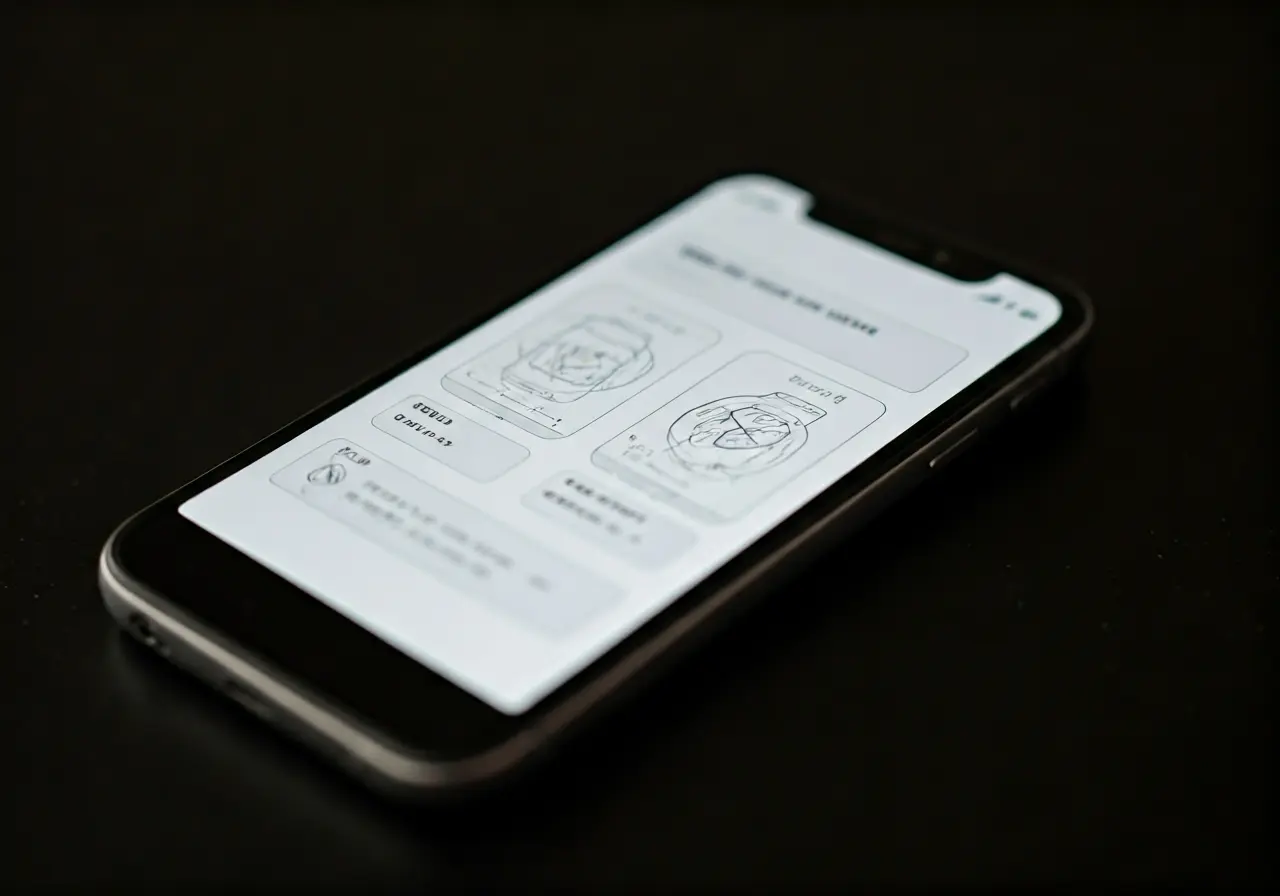
App designers play a pivotal role in the development process, focusing on the user interface and experience. Understanding their responsibilities helps in setting realistic expectations and leveraging their skills effectively. The core responsibility of an app designer is to ensure the user’s journey is seamless and intuitive. This involves creating wireframes, designing mockups, and conducting user tests to validate design choices. Designers work closely with developers to balance aesthetics with functionality, ensuring that the app not only looks good but performs well across various devices. Their expertise often extends into branding aspects as well, integrating color palettes and visual elements that encapsulate your brand’s essence. By recognizing the comprehensive scope of their work, stakeholders can better appreciate the value that designers add to an app project and make informed decisions to support their creative processes.
Furthermore, app designers bring a diverse skill set that includes knowledge of visual design principles, a grasp of user psychology, and an understanding of emerging trends. As technology evolves, designers must remain agile, continually updating their skills to incorporate new tools and techniques. This adaptability allows them to suggest innovative solutions that business owners may not have considered, such as utilizing cutting-edge design frameworks or integrating responsive elements that adapt to different user scenarios. A thorough appreciation of their role not only facilitates better collaboration but also shows designers that their expertise and perspectives are valued, fostering a more dynamic and productive work relationship.
Establishing Clear Communication Channels
Open and consistent communication is key to a successful partnership. Setting up regular check-ins and utilizing project management tools can ensure everyone is on the same page. One effective method is to employ collaborative platforms like Slack or Trello, which offer tools tailored for real-time communication and task management. These platforms allow team members to share updates, document progress, and provide feedback in an organized manner. The convenience of having a centralized hub for all project-related discussions cannot be overstated, as it reduces miscommunications and ensures that every stakeholder has access to the latest information.
Beyond digital tools, fostering a culture of openness encourages team members to voice their ideas and concerns without hesitation. This environment can lead to the discovery of potential issues early on and prompt idea-sharing, which might lead to innovative solutions. Regular face-to-face meetings—whether virtual or in-person—are ideal for deep-dives into complex problems and brainstorming sessions. Research shows that teams that prioritize effective communication tend to achieve project goals more efficiently and excel in collaboration. Adapting communication styles to suit team dynamics and individual preferences also leads to more engaged and satisfied team members, further ensuring project success.
Defining Project Goals and User Requirements
Clearly articulating your project’s objectives and user needs helps designers create an app that aligns with your vision. Collaborate early on to define these crucial elements. Begin by outlining the primary goals of the application—what problems it will solve, which demographic it targets, and how it differentiates from competitors. This stage is crucial for setting a roadmap that guides the development process, ensuring all team members have a shared understanding of what success looks like.
Involving app designers from the outset allows them to incorporate user-centric insights into their design strategies. Designers can conduct user research and gather data that sharpen the project’s direction, resulting in an app that is not only functional but resonates well with end-users. Utilizing tools like personas and journey maps can provide a deeper understanding of user interactions and expectations. By integrating these elements into the planning phase, designers can craft experiences tailored to real-world contexts, thus enhancing user satisfaction and loyalty. This proactive approach in specifying goals leads to fewer revisions down the line, saving time and resources as the project progresses.
Encouraging Creative Freedom
While it’s important to provide guidelines, allowing designers creative liberty can lead to innovative solutions and more engaging user interfaces. Creative freedom should be seen as an invitation for designers to experiment with unconventional ideas and push the boundaries of traditional design frameworks. This exploration often results in unique, compelling interface solutions that enhance user engagement and differentiate the app in a competitive market.
Balancing structure and freedom requires clear communication about constraints and priorities. Designers should be briefed on essential functions and brand elements, while being encouraged to explore diverse creative routes. This freedom fosters a sense of ownership and accountability among designers, leading to a more invested effort. Studies show that environments that cultivate innovation and creativity tend to produce revolutionary design solutions that captivate audiences. By respecting the creative process, you not only receive a more robust final product but also nurture a collaborative environment where team members feel valued and are therefore more productive.
Incorporating Feedback and Iteration
Feedback is essential for refining app features. Foster a feedback-friendly environment to iterate and improve design elements, enhancing the final product. One approach is to implement a structured feedback loop, where teams review design elements at various stages of development. This iterative process allows for consistent enhancements based on detailed user testing and stakeholder input.
However, for feedback to be truly effective, it needs to be constructive and focus on specific aspects of the design. Encouraging team members to approach critiques with an open mind can transform setbacks into learning opportunities. Sharing insights from successful integration of feedback can motivate all involved, as seen in organizations that embrace a culture of continuous improvement. By treating feedback as a dialogue rather than directive, designers and developers can collaboratively create solutions that not only meet but exceed user expectations. This commitment to iteration nurtures a memorable app experience, ultimately driving user retention and app success.
Utilizing Designers’ Technical Expertise
App designers bring a wealth of technical knowledge. Tapping into their expertise can improve app functionality and user experience, ultimately contributing to the project’s success. Their proficiency with various design and prototyping tools allows for smoother transitions between conceptual designs and tangible user interfaces. For instance, utilizing designers’ expertise in tools like Sketch or Figma can accelerate the development process by creating detailed prototype mockups that communicate the app’s intended functionality and aesthetic.
Designers are often at the forefront of technological advancements, equipped with insights that can introduce efficiency and innovation into app development processes. By consulting with designers on elements such as interface responsiveness and accessibility standards, the project team can proactively address potential usability issues. This ensures the final product is not only visually appealing but also optimized for diverse user environments. Engaging with designers on technical decisions, such as color contrast ratios and touch target sizes, allows the app to meet exacting industry benchmarks and enhances inclusivity. By integrating this technical expertise into the core development strategy, you fortify the app’s robustness and appeal to a broader audience.
Building Success Through Collaboration
Partnering with app designers can be a game-changer for your mobile project. By embracing open communication, defining clear roles, fostering creativity, and leveraging designers’ expertise, you can bring your vision to fruition effectively. Remember, the key is a collaborative spirit and mutual respect which will pave the way for innovative and user-friendly apps. Discover how to take the first step toward a successful project with us right here on our homepage.



Leave a Reply
Want to join the discussion?Feel free to contribute!