
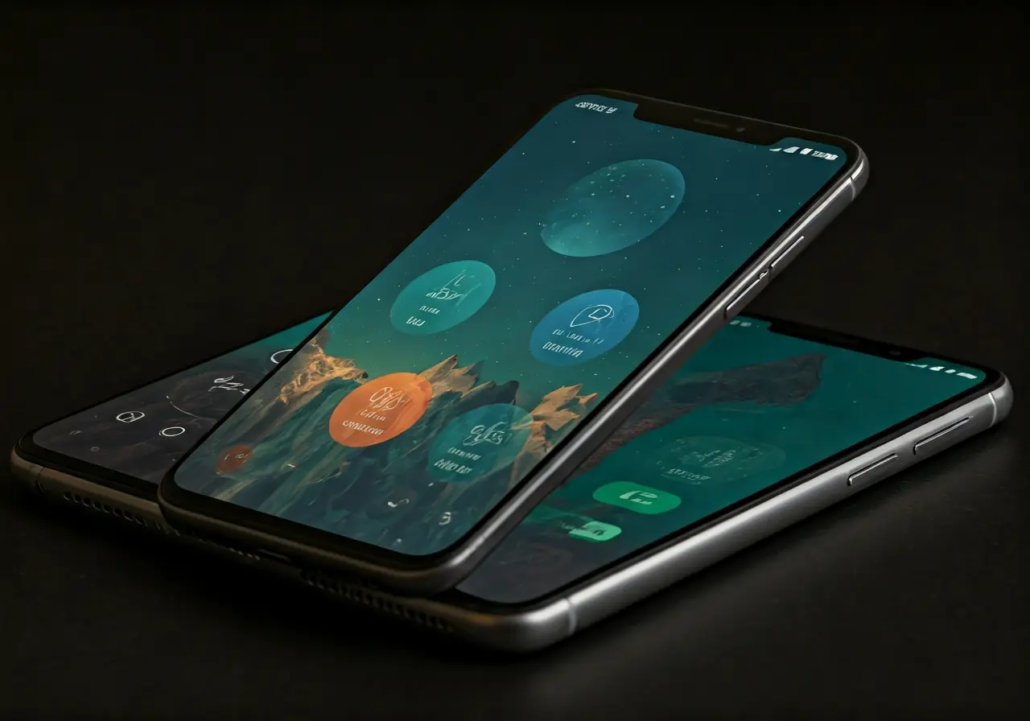
8 Ways to Enhance User Experience in Your App Development Process
Enhancing user experience is a critical component of successful app development. In a world where apps are abundant, making yours stand out with a seamless and engaging user experience can be the key to winning over and retaining users. This guide provides insightful strategies to help you create an app that not only meets but exceeds user expectations.
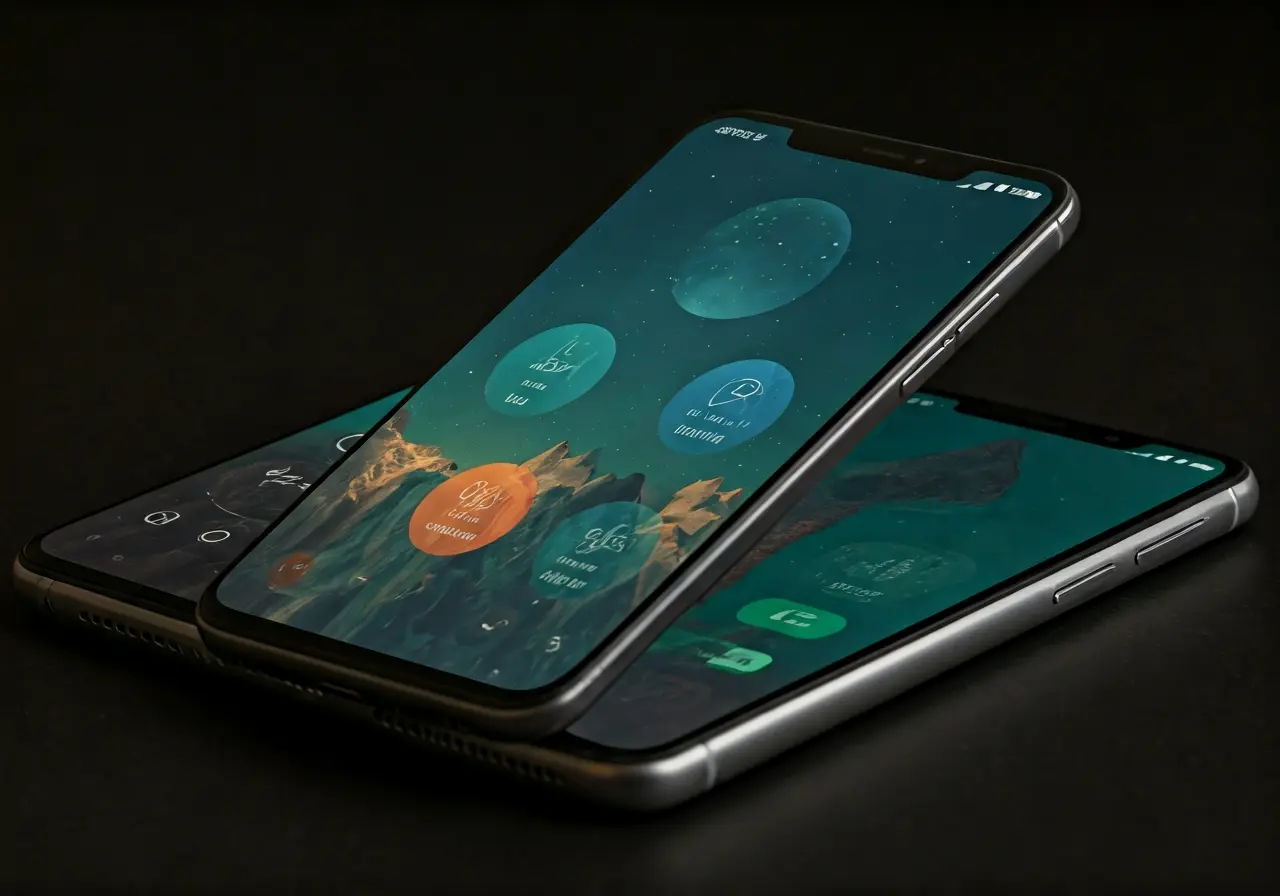
1. Understanding Your Users
Begin by deeply understanding your target audience. Research their preferences, behavior, and pain points. By knowing who your users are, you can design features that truly resonate with them.
User research is fundamental to successful app development. It involves examining user demographics, interests, and interaction patterns to tailor the app experience. Consider creating user personas and conducting surveys or interviews. This process not only highlights potential areas for improvement but also establishes a concrete foundation for building a user-centered app. Moreover, it’s crucial to remain flexible and responsive, updating your app to meet the changing needs of your audience.
2. Simplifying Navigation
Ensure that navigating through the app is intuitive. Streamlined navigation helps users find what they need without frustration, leading to a more enjoyable experience.
To simplify navigation, start by ensuring logical organization of app screens and elements. Consistent iconography and clear labeling are essential. Using fewer layers or pages helps users reach their destination faster. Implementing features like search bars or shortcuts enhances user autonomy, enabling personalized journeys through your app. This approach not only increases usability but can also enrich the user experience by reducing cognitive load.
3. Prioritizing Speed and Performance
A fast and responsive app keeps users engaged. Optimize your app’s performance by reducing load times and ensuring smooth transitions between screens.
Performance optimization in app development involves strategies like compressing images, minimizing HTTP requests, and utilizing content delivery networks to reduce latency. Additionally, code optimization and asynchronous loading can significantly enhance responsiveness. Not only does this technical efficiency boost performance, but it also contributes to user satisfaction by providing a seamless experience, free from delays and unwelcome interruptions.
4. Incorporating User Feedback
Actively seek and incorporate user feedback. By understanding what users like and dislike, you can make informed improvements that align with user expectations.
Listening to user feedback is invaluable in identifying areas for enhancement. User reviews, in-app surveys, and beta testing are effective methods for gathering insights. This feedback loop is not merely about addressing complaints; it presents opportunities for innovation and feature expansion based on real-world use cases. It also encourages user participation, fostering a community around your app, which can enhance user loyalty and advocacy.
5. Consistency in Design
Consistency in visual design and interactions helps create a cohesive user experience. Ensure your app maintains a uniform look and feel across all elements.
A consistent design involves maintaining color schemes, typography, and button styles throughout your app. This visual stability not only guides users effectively but also instills a sense of familiarity, making navigation effortless and predictable. Ultimately, consistency builds trust; users are more likely to stay and explore an app that provides a seamless experience, reinforced through every interaction and interface element.
6. Engaging Onboarding Process
A well-designed onboarding process can significantly enhance the user experience by guiding users through your app’s features and benefits effortlessly.
Onboarding should be interactive and compelling, introducing users to key functionalities without overwhelming them. Utilize tutorials, tooltips, or progress indicators to explain complex actions step-by-step. This not only helps users quickly acclimate to your app but also showcases the value proposition immediately, increasing the likelihood of retention. It’s essential to refine this process continually to align with user feedback and app updates.
7. Accessibility for All Users
Designing for accessibility ensures that all users, including those with disabilities, can navigate and enjoy your app. This inclusivity expands your app’s reach and user base.
Incorporating features like voice control, customizable text sizes, and alternative text descriptions promotes inclusivity. Accessibility design not only complies with legal standards but serves as a commitment to user equality. By embracing these principles, developers can widen their audience, fostering an inclusive community that celebrates diversity and usability for everyone, regardless of ability.
8. Continuous Testing and Iteration
Regularly test your app’s user interface and functionalities. Iterative testing helps identify areas for improvement and keeps your app up-to-date with evolving user needs.
Testing in app development should be ongoing, leveraging both automated tests and real user feedback. This dual approach ensures that both technical functions and user experiences are constantly refined. Iterative development allows for agile responses to challenges, paving the way for quick adaptations to market changes or technological advances. With each testing cycle, your app grows stronger and better aligned with user expectations.



Leave a Reply
Want to join the discussion?Feel free to contribute!