

Future of Mobile Apps: Trends You Should Know
The mobile app landscape is constantly evolving, offering new opportunities and challenges for developers and users alike. Staying informed about the latest trends is essential to remain competitive and tech-savvy in this fast-paced industry.
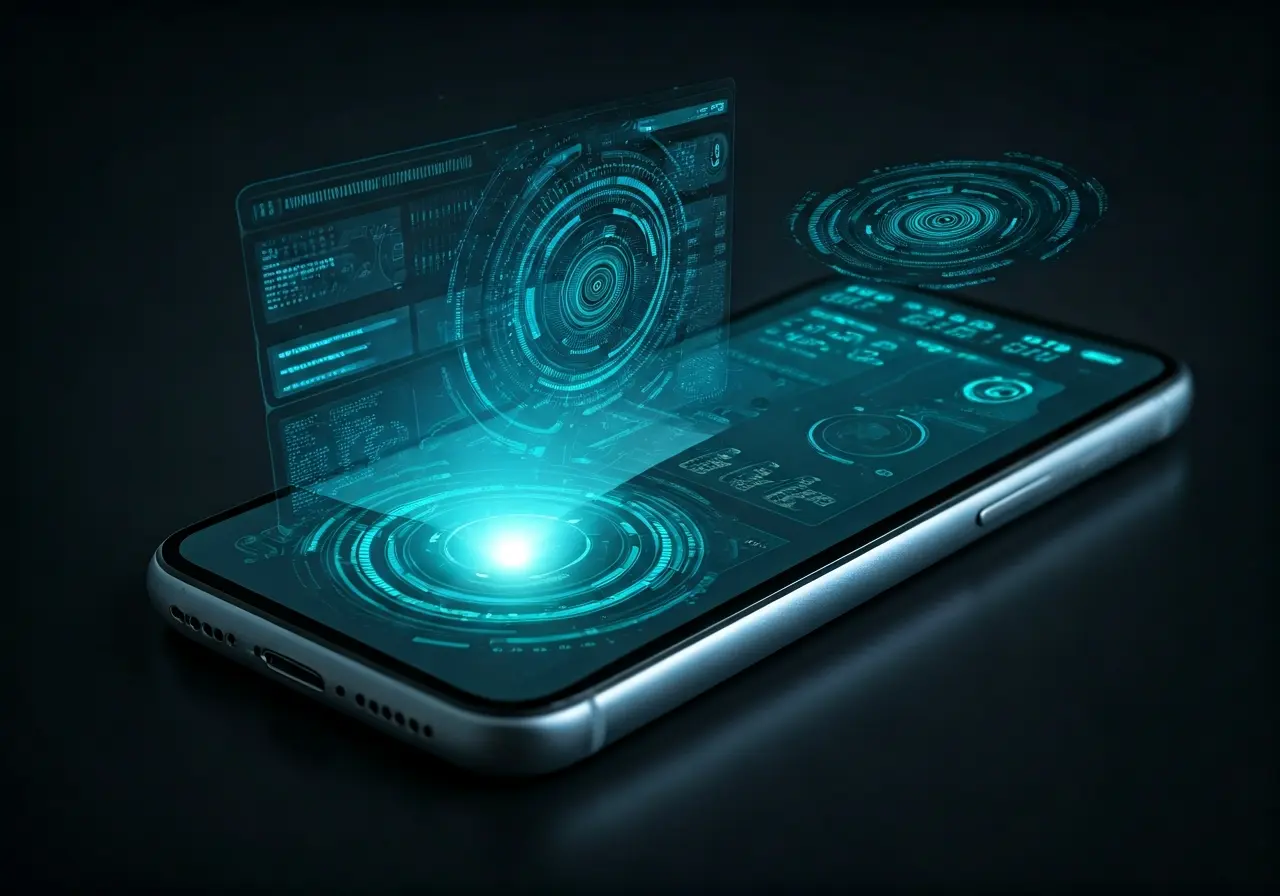
The Rise of Artificial Intelligence in Mobile Apps
Artificial Intelligence (AI) is no longer a futuristic concept but a present reality that is shaping the core of mobile app development. Integrating AI into apps enables them to learn from user behavior and adapt accordingly. For instance, personalized recommendations have become increasingly sophisticated, tailoring content, music, and product suggestions based on intricate patterns detected from user data. Looking at voice-activated assistants, these AI-driven apps are constantly improving in their ability to understand natural language, making them invaluable tools for everyday tasks such as setting reminders, playing music, or even controlling smart home devices. Furthermore, with AI’s capabilities in image recognition, apps are becoming more accessible to visually impaired individuals, demonstrating the technology’s transformative potential beyond convenience.
Incorporating AI into mobile apps not only enhances functionality but also significantly boosts user engagement. As AI continues to evolve, developers are leveraging machine learning algorithms to make apps smarter and more responsive. This means that apps can now predict what users need before they even ask for it. The deep learning neural networks at the foundation of AI applications process vast amounts of data to identify patterns and make decisions in real time. This results in a dynamic user experience that feels responsive and personalized.
AI integration in apps is not limited to consumer applications; enterprises are also finding ways to harness AI to streamline operations and enhance productivity. Customer service apps are increasingly employing AI chatbots to provide instantaneous responses, decreasing wait times and improving user satisfaction. These virtual assistants are adept at handling routine inquiries, freeing up human resources for more complex issues and allowing companies to serve more customers efficiently. This symbiosis of AI and mobile applications is ushering in a new era of technological synergy, where the limits are defined only by our imagination.
Augmented Reality: Revolutionizing User Experience
Augmented Reality (AR) has quickly transitioned from being a novelty in a few mobile games to a pivotal tool across various industries. AR technology overlays digital information onto the real world, creating interactive and engaging experiences. In retail, companies utilize AR to allow customers to visualize products in their own environment before making a purchase. A great example is furniture retailers enabling users to see how a piece of furniture would fit and look in their room using just their phone camera. This not only enhances the shopping experience but also reduces return rates by setting accurate expectations.
Beyond shopping, AR is making significant strides in the fields of education and healthcare. Educational apps with AR capabilities bring subjects to life, enabling students to explore 3D models of historical artifacts or anatomy from various angles, thereby deepening their understanding and engagement with the material. Meanwhile, in healthcare, AR is proving unprecedented as a tool for training medical professionals by simulating surgical procedures or creating interactive, three-dimensional visualizations of complex medical concepts. As AR expands its influence, it stands poised to revolutionize how we interact with information and our environment.
5G Technology: Faster, Better, Smarter Apps
The advent of 5G technology is opening new doors for mobile app development by providing lightning-fast internet speeds and reliable connectivity. This advancement means apps can now offer real-time data streaming capabilities, such as high-quality video conferencing without any lag or buffering. For gamers, 5G promises an unprecedented mobile gaming experience with smoother graphics and immediate response times, making mobile devices strong competitors against traditional gaming consoles.
Apps leveraging 5G are not just fast but are also smarter, with the ability to handle complex data tasks such as AI processing directly on the device. This eliminates the need to constantly transfer data back and forth between the device and a remote server, reducing latency and enhancing privacy. As mobile app developers begin to fully utilize 5G’s capabilities, the line between what can be done on a desktop versus a mobile device will continue to blur, leading to unprecedented mobile experiences.
The Push for Enhanced Security and Privacy
In an age where data breaches and privacy concerns are at the forefront of digital discourse, enhancing security features within mobile apps has become more important than ever. Users are becoming increasingly aware of how their data is used and are demanding greater transparency and control over their personal information. Developers are responding by integrating robust security protocols such as biometric authentication and end-to-end encryption within their apps. This ensures that users can access secure and private mobile experiences without compromising on functionality.
Moreover, regulations like GDPR (General Data Protection Regulation) in Europe and CCPA (California Consumer Privacy Act) in the U.S. are influencing how apps are designed and function across the globe. These regulations mandate that apps inform users about data collection practices and obtain explicit consent before accessing personal information. As privacy continues to be a major concern for users, app developers who prioritize robust security measures and adhere to these regulations will remain on the forefront of consumer trust and satisfaction.
The Growth of Instant Apps
Instant apps represent a significant leap forward in how users interact with mobile applications, offering the full functionality of a native app without the need for installation. This innovation addresses common user concerns such as limited device storage and lengthy download times. By enabling users to access the app interface directly from a web link, developers can ensure users have immediate, frictionless access to their content or services. This trend has particularly taken off in areas like e-commerce, where removing hurdles in the consumer journey can greatly enhance conversion rates.
The Importance of User-Centric Design
In today’s competitive market, user-centric design has become the cornerstone of successful mobile app development. An app that boasts a seamless, intuitive, and aesthetically pleasing interface stands a much better chance of captivating and retaining users. User-centric design goes beyond just the appearance of the app; it involves creating experiences that fulfill the needs and preferences of the end users. This includes considering usability factors such as easy navigation, quick load times, and ensuring the app is accessible to users with disabilities.
Designers are increasingly employing user feedback and real-world testing to refine app interfaces, ensuring they meet the evolving demands of their target audience. By prioritizing design principles that focus on creating intuitive pathways and reducing cognitive load, apps can build stronger emotional connections with users, leading to increased loyalty and advocacy. As developers integrate these user-centric design principles into their creations, they not only enhance user satisfaction but also drive the app’s long-term success in the marketplace.
Embrace the Future of Mobile Apps
Mobile apps continue to transform the way we live, work, and connect with the world. By keeping an eye on these emerging trends, developers and businesses can not only stay relevant but also lead the charge in innovation. As technology advances, the potential of mobile apps is limitless.



Leave a Reply
Want to join the discussion?Feel free to contribute!